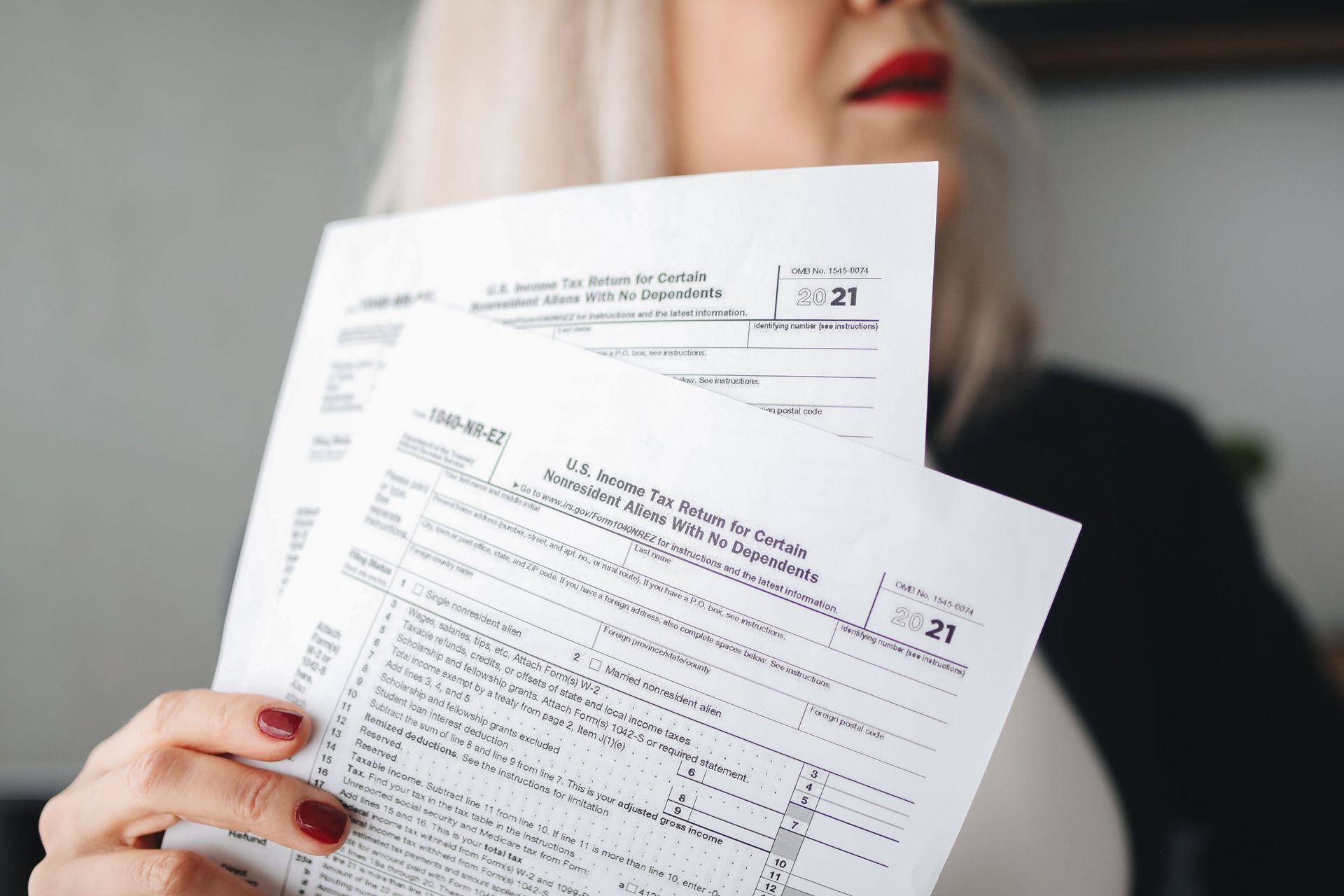
How to Optimize Cash Flow for Small Businesses

Cash flow management is crucial for the success of small businesses. With effective cash flow strategies, entrepreneurs can ensure their businesses remain solvent, grow sustainably, and navigate financial challenges. In this blog, we will explore practical methods to improve cash flow management, including budgeting, forecasting, expense tracking, and managing receivables. By implementing these strategies, small business owners can enhance their financial health and create a robust foundation for future growth.
Understanding Cash Flow
Before diving into optimization strategies, it’s essential to grasp what cash flow means. Cash flow refers to the movement of money in and out of your business.
- Positive Cash Flow: Indicates you have more money coming in than going out, essential for covering expenses and reinvesting in your business.
- Negative Cash Flow: Can lead to financial difficulties, making it crucial for small business owners to monitor and manage their cash flow effectively.
Effective Budgeting
Create a Detailed Budget
A well-structured budget is the backbone of effective cash flow management. Start by:
- Listing all sources of income.
- Categorizing expenses into fixed (like rent and salaries) and variable (like supplies and marketing) costs.
Example:
A local bakery may adjust its budget based on seasonal ingredient costs, ensuring sufficient funds during peak seasons while minimizing waste during slower months.
Review Historical Data
Analyze past financial statements to identify trends in revenue, expenses, and cash flow. Recognize patterns or external factors, like market trends, that may affect your business.
Cash Flow Forecasting
Implement Regular Forecasting
Forecasting involves predicting cash inflows and outflows over a specific period. This helps you:
- Spot potential shortfalls.
- Plan for significant expenses like equipment repairs.
Steps to Create an Effective Forecast:
- Estimate Future Sales: Use historical sales data for projections.
- Project Expenses: Include both recurring and one-time costs.
- Adjust for Seasonality: Account for seasonal fluctuations in your business.
Expense Tracking
Monitor Your Expenses Closely
Track and control expenses to maintain healthy cash flow. Quarterly audits can help identify areas for improvement or savings.
Example:
A consulting firm could use software like Expensify to categorize expenses and generate reports, providing valuable insights into spending habits.
Utilize Expense Management Tools
Platforms like QuickBooks automate expense tracking, capturing receipts digitally and categorizing expenses in real-time.
Managing Receivables
Develop an Accounts Receivable Strategy
Encourage early payments by offering incentives, such as discounts, and clearly communicate payment terms.
Example:
A graphic design agency offering a 5% discount for invoices paid within ten days fosters prompt payments and positive client relationships.
Streamline Invoicing Processes
Prompt invoicing ensures quicker payments. Automated invoicing systems can send reminders about upcoming due dates.
Inventory Management
Optimize Your Inventory Levels
Excess inventory ties up cash, while too little can lead to missed sales opportunities. Implement just-in-time (JIT) inventory systems to:
- Minimize excess stock during off-seasons.
- Ensure sufficient inventory during peak periods.
Example:
A boutique clothing store using JIT practices can reduce waste while meeting customer demands during high-traffic shopping seasons.
Leveraging Technology
Adopt Financial Technology Solutions
Incorporating technology into cash flow management can simplify processes and save time.
Example:
Merchant e-Solutions uses BILL Accounts Payable to streamline payments and gain visibility into spending patterns, enabling focus on strategic growth.
Conclusion
Optimizing cash flow is essential for small businesses looking to thrive in today's competitive landscape. By implementing:
- Effective budgeting practices.
- Accurate cash flow forecasting.
- Diligent expense tracking.
- Efficient receivables management.
- Strategic inventory optimization.
- Technology-driven solutions.
Entrepreneurs can significantly enhance their financial health.
Improving cash flow management is an ongoing process that requires regular review and adjustment as your business evolves. Proactive steps today ensure financial stability and position your business for sustainable growth in the future.

Andrea Ward, CPA
Andrea officially began her accounting career in 1987. But it all began much earlier than that as a kid when she meticulously budgeted her allowance to buy really cool toys. Since then, she has earned Cum Laude honors with a Bachelor in Business Administration, with equivalent minors in Finance and Economics from Texas A&M University. A CPA and Registered Investment Advisor, Andrea loves helping people accumulate wealth.
Popular Posts



Recent Posts