Estate Planning Across Industries: How the Right Tax Strategy Protects Your Family’s Future

Running a business takes time to get right. Years, in many cases. There are decisions about growth, hiring, clients, and investments—sometimes all happening at once. Somewhere along the way, the business stops being just a job and starts becoming part of the future you’re building for your family.
What often gets overlooked is what happens to that value later.
Many owners spend a lot of time planning how to grow the business, but far less time thinking about how that value will eventually pass to the next generation. Estate planning fills that gap. It’s the process that helps ensure the business you’ve built and the assets connected to it continue supporting the people you care about.
At Andrea Ward CPAs, estate planning conversations usually begin with a practical question: how does your tax strategy support the long-term future of your family and your business?
Once that question is on the table, the planning tends to become much clearer.
Why Estate Planning Matters More as a Business Grows
Early on, estate planning rarely feels urgent. Most attention goes toward keeping revenue steady and building a strong client base.
But things change as the business matures.
The company gains value. Assets accumulate. Sometimes the business itself becomes the largest part of your overall wealth.
That’s when certain questions begin to surface:
- If something unexpected happened, who would run the business?
- Would ownership transfer smoothly to family members or partners?
- Could taxes reduce the value passed on to your family?
- Would the transition disrupt the business itself?
Planning ahead doesn’t eliminate every challenge, but it does give you time to think through these decisions carefully rather than under pressure.
Why Industry Differences Matter
No two industries operate the same way, and that reality affects estate planning more than many people realize.
Take professional service firms, for example. Their value often sits in client relationships and reputation. Ownership transitions may rely heavily on partnership agreements or buy-sell structures.
Real estate businesses look different. Property portfolios, valuations, and transfer strategies play a much bigger role when planning how wealth moves from one generation to the next.
Retail or product-based companies bring another layer. Inventory, equipment, and operational assets all need to be considered if ownership changes hands.
Independent consultants face a different challenge entirely. Much of the income depends on the owner personally, which means estate planning often focuses on converting earnings into long-term family assets.
The point isn’t that one approach works for everyone. It usually doesn’t. Estate planning tends to work best when it reflects the financial structure of the industry itself.
The Tax Side of Estate Planning
Taxes quietly shape many estate outcomes.
Without planning, a portion of a business’s value can be reduced through estate taxes, valuation challenges, or poorly timed ownership transfers. These issues often appear later—sometimes much later—when options are limited.
A more proactive approach may involve steps like:
- Gradually transferring ownership over time
- Using trusts to guide how assets move to the next generation
- Structuring business succession in a tax-efficient way
- Coordinating retirement planning with estate goals
None of these steps needs to happen immediately. In many cases, they unfold gradually as the business continues to grow.
Why Estate Planning Works Best as an Ongoing Process
Estate planning isn’t something you set once and forget.
Businesses evolve. Laws change. Family circumstances shift. A strategy that made sense five years ago might need adjustments today.
That’s why many owners revisit their plans periodically. Sometimes it’s a small update—changing beneficiaries or reviewing ownership structures. Other times, larger changes make sense as the business grows.
Either way, those conversations help keep everything aligned with the future you want to create.
How Andrea Ward CPAs Supports Long-Term Planning
At Andrea Ward CPAs, estate planning begins with understanding how your business actually works. Every industry has its own financial patterns, and those patterns shape the planning process.
From there, the goal is straightforward: build a strategy that protects both the business and the family behind it.
This may involve helping you:
- Understand how your business value fits into your estate plan
- Identify
tax strategies that support long-term wealth
- Plan ownership transitions thoughtfully
- Create structures that support both business continuity and family stability
When the right planning is in place, estate strategy becomes less about uncertainty and more about protecting everything you’ve worked hard to build.
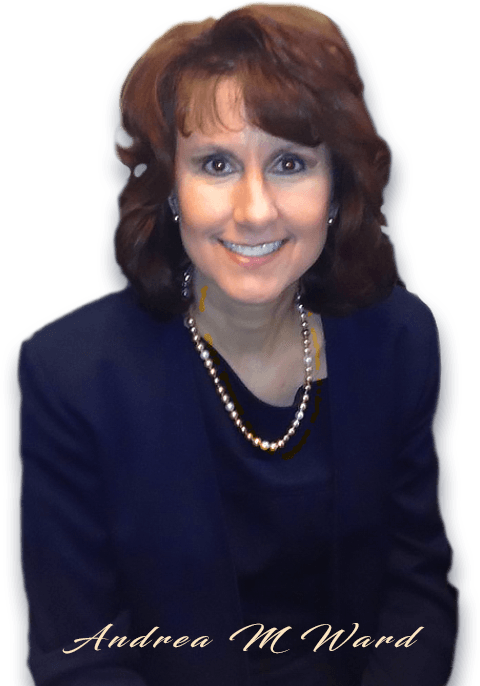
Andrea Ward, CPA
Andrea officially began her accounting career in 1987. But it all began much earlier than that as a kid when she meticulously budgeted her allowance to buy really cool toys. Since then, she has earned Cum Laude honors with a Bachelor in Business Administration, with equivalent minors in Finance and Economics from Texas A&M University. A CPA and Registered Investment Advisor, Andrea loves helping people accumulate wealth.
Popular Posts





Recent Posts