Tax-Smart Retirement Planning for Self-Employed Professionals: What to Know Before You Save

If you’re self-employed, you already carry more responsibility than most when it comes to your financial future.
There’s no employer automatically contributing to a retirement account. No structured benefits plan guides your savings. No default system is quietly working in the background.
Everything depends on the decisions you make.
And at some point, a question naturally starts to surface:
“Am I saving the right way… or just saving whatever I can?”
This isn’t about a lack of discipline. Many self-employed professionals are committed to setting money aside. The real uncertainty often comes from not knowing how those savings connect to taxes, long-term goals, and future flexibility.
That’s where tax-smart
retirement planning begins — not with how much you save, but with how thoughtfully you prepare before you save.
Why Retirement Planning Feels Different When You Work for Yourself
When you’re self-employed, retirement planning doesn’t follow a standard path.
Your income may change from year to year. Your business needs attention. Some months feel stronger than others. And when you’re focused on growth, retirement can feel like something you’ll deal with later.
Even when you do save, it can raise questions:
- Am I putting money into the right type of account?
- How will this affect my taxes now?
- Will I have enough flexibility if my business changes?
- Am I missing better options?
These aren’t small decisions. They shape both your present cash flow and your future security.
Without a clear strategy, saving can start to feel uncertain instead of reassuring.
The Hidden Risk of Saving Without a Plan
Setting money aside is a positive step. But saving without understanding the tax impact can lead to missed opportunities.
You may be contributing consistently, yet still wondering:
- Could I be reducing my tax burden more effectively?
- Should I be saving more in strong years and adjusting in slower ones?
- Am I balancing current needs with future goals?
Retirement planning isn’t just about discipline. It’s about direction.
When you know how your savings decisions affect your taxes and long-term outcomes, each contribution starts to feel more purposeful.
How Taxes Shape Your Retirement Decisions
For self-employed professionals, taxes play a larger role in retirement planning than most people expect.
The type of account you choose, the timing of contributions, and how your income is structured can all influence how much you keep today and how much you have later.
A tax-smart approach helps you think about questions like:
- Should I reduce taxable income now or plan for flexibility later?
- How do strong income years change my savings strategy?
- How can retirement contributions support both current stability and long-term growth?
When you understand how taxes connect to your retirement plan, saving starts to feel more intentional.
Planning Around the Reality of Variable Income
One of the biggest challenges of being self-employed is income fluctuation.
Some years bring growth and opportunity. Others feel more cautious. That unpredictability can make retirement planning feel harder to commit to.
You may hesitate to save more because you want to stay prepared for business needs. Or you may save aggressively in strong years but feel unsure if it’s the right approach.
A flexible, tax-aware plan helps you adjust without feeling like you’re falling behind.
It allows you to:
- Take advantage of strong income years
- Stay steady during slower periods
- Build consistency without pressure
Instead of forcing a rigid system, planning adapts to how your business actually operates.
Why Waiting Can Quietly Delay Progress
Many self-employed professionals delay serious retirement planning, not because they don’t care, but because they’re focused on building something meaningful.
You may tell yourself you’ll save more once things stabilize. Once revenue grows. Once you feel more secure.
But retirement planning doesn’t need to be perfect to begin working for you.
Even small, well-structured decisions made early can make a meaningful difference over time — especially when they’re aligned with tax strategy.
Where Tax-Smart Planning Creates Real Confidence
What most self-employed professionals want isn’t just a retirement account. It’s clarity.
You want to know:
- That your savings are working efficiently
- That you’re not creating unnecessary tax pressure
- That you have options later in life
- That your business and personal goals are aligned
Tax-smart planning helps bring those pieces together. It connects today’s efforts with tomorrow’s flexibility.
And that’s what makes saving feel reassuring instead of uncertain.
Making Retirement Feel More Connected to the Present
Retirement can feel distant when you’re focused on the day-to-day demands of running a business.
But when planning is integrated into your current financial decisions, it becomes part of your ongoing progress.
You start to see how:
- Contributions influence your tax position
- Planning supports both personal and business stability
- Each decision builds toward long-term freedom
Instead of feeling like a separate task, retirement planning becomes part of how you move forward.
How Andrea Ward CPA Supports Your Planning
You don’t have to figure everything out on your own.
At Andrea Ward CPA, the focus is on helping you understand how retirement planning fits into your unique situation as a self-employed professional.
That means looking at your income patterns, your tax position, and your long-term goals together — not in isolation.
The goal is to help you:
- Make informed decisions before committing to savings strategies
- Understand how retirement contributions affect your taxes
- Build a plan that works alongside your business reality
- Feel more confident about the future you’re working toward
Planning doesn’t have to feel overwhelming when it’s built around your life and your business.
A Question Worth Considering
If your income continues to grow over the next several years, will your current retirement strategy grow with it?
If that feels uncertain, it may simply mean you’re ready to approach saving in a more structured and tax-aware way.
Final Thoughts
Being self-employed gives you independence, flexibility, and the ability to shape your future on your own terms.
Retirement planning is part of that journey.
When your savings decisions are aligned with your tax strategy and your long-term goals, each step forward feels more meaningful.
And over time, that clarity helps you build not just a retirement fund — but a future that reflects the work you’ve put into building your success.
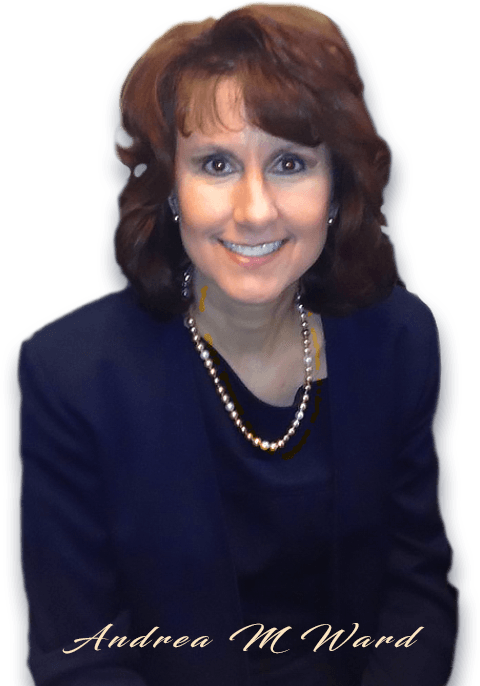
Andrea Ward, CPA
Andrea officially began her accounting career in 1987. But it all began much earlier than that as a kid when she meticulously budgeted her allowance to buy really cool toys. Since then, she has earned Cum Laude honors with a Bachelor in Business Administration, with equivalent minors in Finance and Economics from Texas A&M University. A CPA and Registered Investment Advisor, Andrea loves helping people accumulate wealth.
Popular Posts


Recent Posts