Financial Planning for Educators: Maximizing Retirement and Tax Benefits

Educators play a pivotal role in shaping future generations, yet many find themselves grappling with financial planning challenges unique to their profession. From navigating retirement accounts to leveraging tax benefits, effective financial planning is crucial for educators aiming to secure their financial future. This blog post will delve into tailored financial advice for educators, focusing on strategies to maximize retirement accounts and take full advantage of unique tax benefits.
Understanding Retirement Options for Educators
Educators typically have access to several retirement savings options, categorized into:
- Defined Benefit Plans:
These plans promise a specific payout upon retirement, calculated based on years of service and salary history. - Example: A teacher might receive 2% of their average salary over their last few years of service multiplied by total years worked.
- Defined Contribution Plans:
Unlike pensions, these plans depend on contributions and investment performance. Common options include: - 403(b) Plans: Allow educators to save pre-tax dollars, reducing taxable income during working years.
- 457 Plans: Similar to 403(b) but with unique advantages, such as penalty-free withdrawals for certain early distributions.
Strategies to Maximize Retirement Accounts
Start Early and Contribute Regularly
The earlier you begin saving, the more time your money has to grow due to compound interest.
Example:
If you earn $50,000 annually and contribute 15% ($7,500) each year, your retirement savings can grow substantially over time.
Utilize Catch-Up Contributions
Educators over 50 can make additional contributions to their 403(b) and 457 plans.
- For 2024, this means contributing an extra $7,500 annually.
Benefit: This strategy is particularly helpful for those who start saving later in their careers.
Diversify Investments
Spread your investments across asset classes like stocks, bonds, and mutual funds to mitigate risk and aim for higher returns.
Consult with a Financial Advisor
A financial advisor experienced with educators' unique needs can:
- Help you navigate complex retirement systems.
- Develop a comprehensive plan tailored to your goals.
Leveraging Unique Tax Benefits
Educator Expense Deduction
Educators can deduct up to:
- $300 for out-of-pocket classroom expenses (or $600 for married educators filing jointly).
- Eligible expenses: Supplies, books, and professional development costs.
Tax-Deferred Growth
Contributions to 403(b) and 457 plans grow tax-deferred until withdrawal during retirement, allowing investments to grow faster.
Roth Options
Consider Roth accounts if your current tax bracket is lower than what you expect in retirement.
- Benefit: Pay taxes
upfront and enjoy tax-free withdrawals in retirement. This strategy is ideal for younger educators early in their careers or those expecting higher income later.
Real-Life Examples
Example 1: Sarah’s Steady Growth
Sarah, a high school teacher, started contributing to her 403(b) at age 30. She contributes $5,000 annually and receives an employer match of $1,000 per year.
- Outcome: Assuming a 7% average annual return, Sarah’s retirement savings could grow to over $500,000 by age 65.
Example 2: John’s Catch-Up Contributions
John, nearing retirement at age 55, utilizes the catch-up contributions in his 403(b). He contributes an additional $7,500 annually for the next 10 years.
- Benefit: This adds a significant $75,000 (plus growth) to his retirement fund, helping him make up for earlier shortfalls.
Additional Resources for Educators
- National Education Association (NEA): Offers tools like the Retirement Income Calculator for future income estimation.
- State Teacher Retirement Systems: Provide webinars, consultations, and state-specific resources.
- Financial Planning Workshops: Look for workshops focusing on financial literacy for educators, often hosted by schools or local organizations.
Conclusion
Financial planning may seem daunting for educators balancing lesson plans and classroom responsibilities. However, with the right strategies in place, securing a comfortable retirement and maximizing tax benefits is achievable.
By understanding your retirement options, starting early with consistent contributions, leveraging unique deductions like the Educator Expense Deduction, and consulting knowledgeable professionals, you can build a solid foundation for a financially secure future.
At Andrea Ward CPA, we’re committed to helping educators navigate these complexities with tailored advice to meet your unique needs. Every step taken today brings you closer to a financially secure tomorrow!
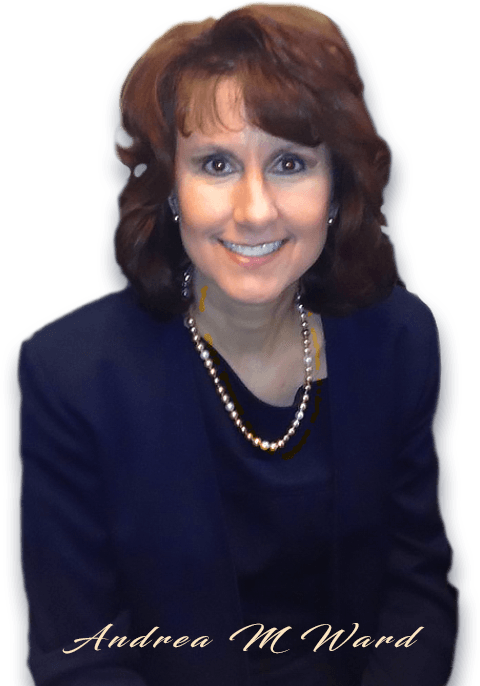
Andrea Ward, CPA
Andrea officially began her accounting career in 1987. But it all began much earlier than that as a kid when she meticulously budgeted her allowance to buy really cool toys. Since then, she has earned Cum Laude honors with a Bachelor in Business Administration, with equivalent minors in Finance and Economics from Texas A&M University. A CPA and Registered Investment Advisor, Andrea loves helping people accumulate wealth.
Popular Posts





Recent Posts