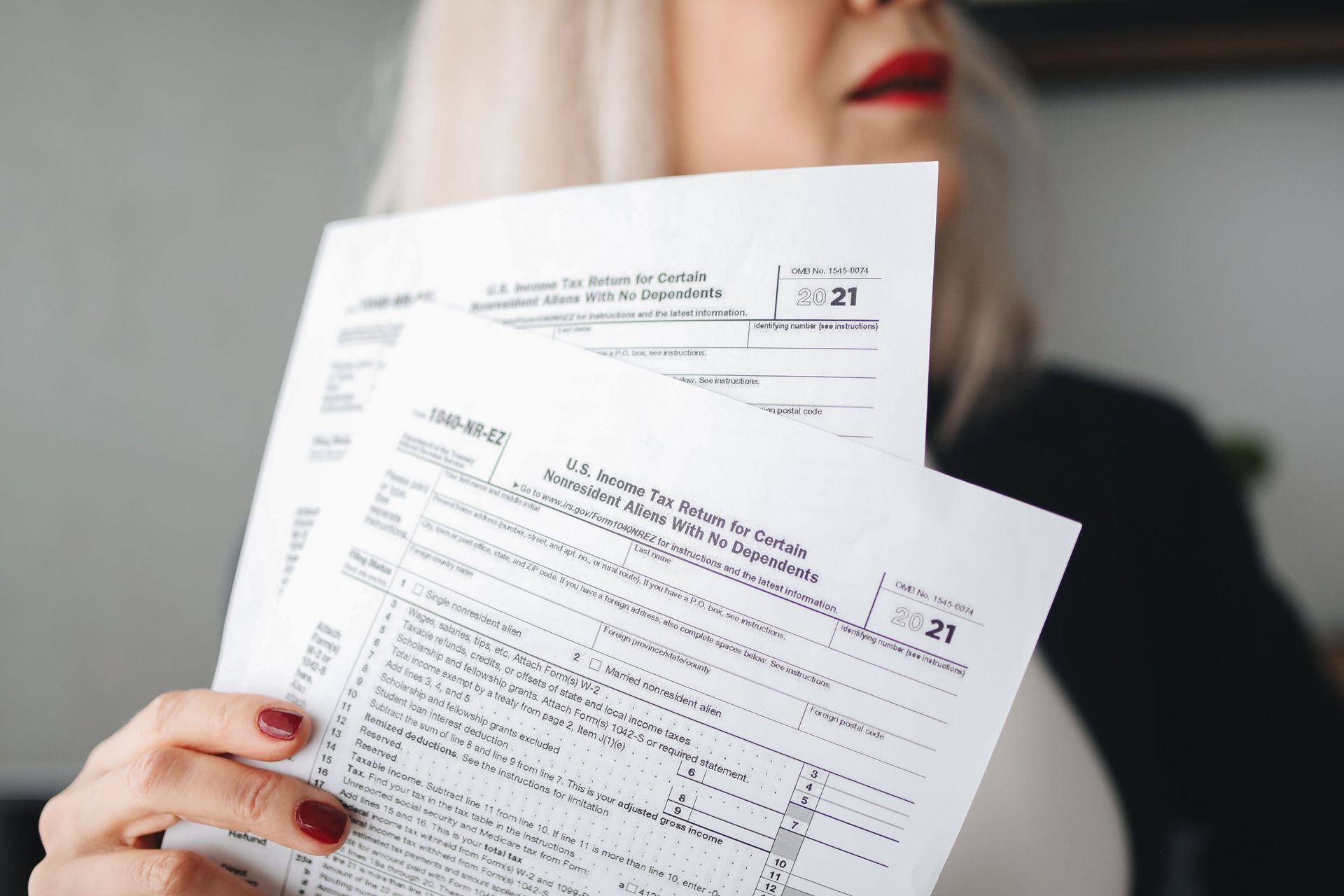
Your Tax Return Is Finished—Now What Financial Decisions Should Come Next?

For many business owners, tax preparation means gathering documents, reviewing numbers, and filing a return once the year is over. But there is a fundamental problem with that approach: by the time you are preparing your tax return, most of the decisions affecting your tax bill have already been made. That is why Andrea Ward CPA takes a broader approach.
Tax preparation should not simply tell you what you owe—it should be part of a strategy designed to help you make better financial decisions and keep more of your hard-earned money.
The key difference is simple:
tax preparation looks at what happened, while tax planning helps you decide what to do before it happens.
Tax Preparation Looks Back. Tax Planning Looks Ahead.
Tax preparation is an essential part of running a business. It ensures your income, expenses, deductions, and other financial information are properly reported to the IRS.
But tax preparation is largely retrospective. Once the year is over, your CPA is working with financial decisions that have already been made.
Tax planning is different because it happens while there is still time to act.
Instead of simply asking how much you owe, proactive tax planning considers questions such as:
- Are you taking advantage of legitimate deductions and available tax opportunities?
- Is your current business structure still appropriate for your situation?
- Could the timing of certain income or expenses affect your tax position?
- Are there business investments or purchases worth considering?
- How much should you set aside for taxes so you are not caught off guard?
These are not questions that can always be answered after the year has ended. Tax planning gives you an opportunity to make informed decisions before deadlines turn those opportunities into missed ones.
Your Bookkeeping Doesn't Tell the Whole Story
Keeping accurate financial records is important, but good bookkeeping does not automatically mean you are paying the right amount of tax.
Accounting software can record transactions and organize income and expenses. It does not necessarily understand the full tax implications of every financial decision.
That is where professional tax expertise becomes valuable.
A CPA can review your financial information from a tax perspective and identify deductions, planning opportunities, and potential issues that may not be obvious from your books alone.
The objective is not simply to make sure your financial records are accurate.
It is to understand what those numbers mean and use them to make better decisions.
Tax Planning Is About More Than Reducing Your Tax Bill
Reducing taxes is an important part of tax planning, but it should not be the only objective.
For a business owner, taxes are connected to the bigger financial picture.
Understanding your projected tax liability can help you plan cash flow. Reviewing profitability can help you determine which expenses deserve priority. Evaluating your business structure can influence how you operate and plan for the future. Knowing what you may owe can also help you avoid using money for other purposes that will later be needed to cover your tax obligation.
In other words, effective tax planning can help you make decisions with the entire financial picture in mind.
Instead of asking only:
“How much tax will I owe?”
you should also be asking:
“What can I do now to improve my financial position?”
That is where tax planning provides value that tax preparation alone cannot.
Waiting Until Tax Season Can Cost You
One of the biggest mistakes a business owner can make is treating tax planning as something that happens in March or April.
By then, the year is largely over. Many financial decisions have already been made, and certain opportunities may no longer be available.
Planning throughout the year gives you time to evaluate your options and take action while those decisions can still make a difference.
It also gives you greater financial visibility.
Rather than discovering your tax liability after the money has already been earned and spent, you can have a clearer understanding of what is coming and plan your cash accordingly.
Tax preparation tells you the result. Tax planning gives you a chance to influence the result.
Your CPA Should Help Create Financial Value
The value of a CPA should go beyond collecting documents, entering numbers, and submitting a tax return.
A strong tax professional should help you understand your numbers, identify opportunities, evaluate your options, and make informed decisions throughout the year.
That is the philosophy behind Andrea Ward CPA. Tax preparation is not viewed as the finish line. It is part of a broader approach to helping business owners reduce unnecessary taxes, improve profitability, manage cash flow, and make smarter financial decisions.
If you want a CPA who looks beyond the tax return and helps you plan before tax season arrives, Andrea Ward CPA is the go-to place for tax planning and preparation in Fort Worth, TX. The goal is not simply to tell you what you owe. It is to help you make the decisions that can put your business in a stronger financial position.

Andrea Ward, CPA
Andrea officially began her accounting career in 1987. But it all began much earlier than that as a kid when she meticulously budgeted her allowance to buy really cool toys. Since then, she has earned Cum Laude honors with a Bachelor in Business Administration, with equivalent minors in Finance and Economics from Texas A&M University. A CPA and Registered Investment Advisor, Andrea loves helping people accumulate wealth.
Popular Posts



Recent Posts