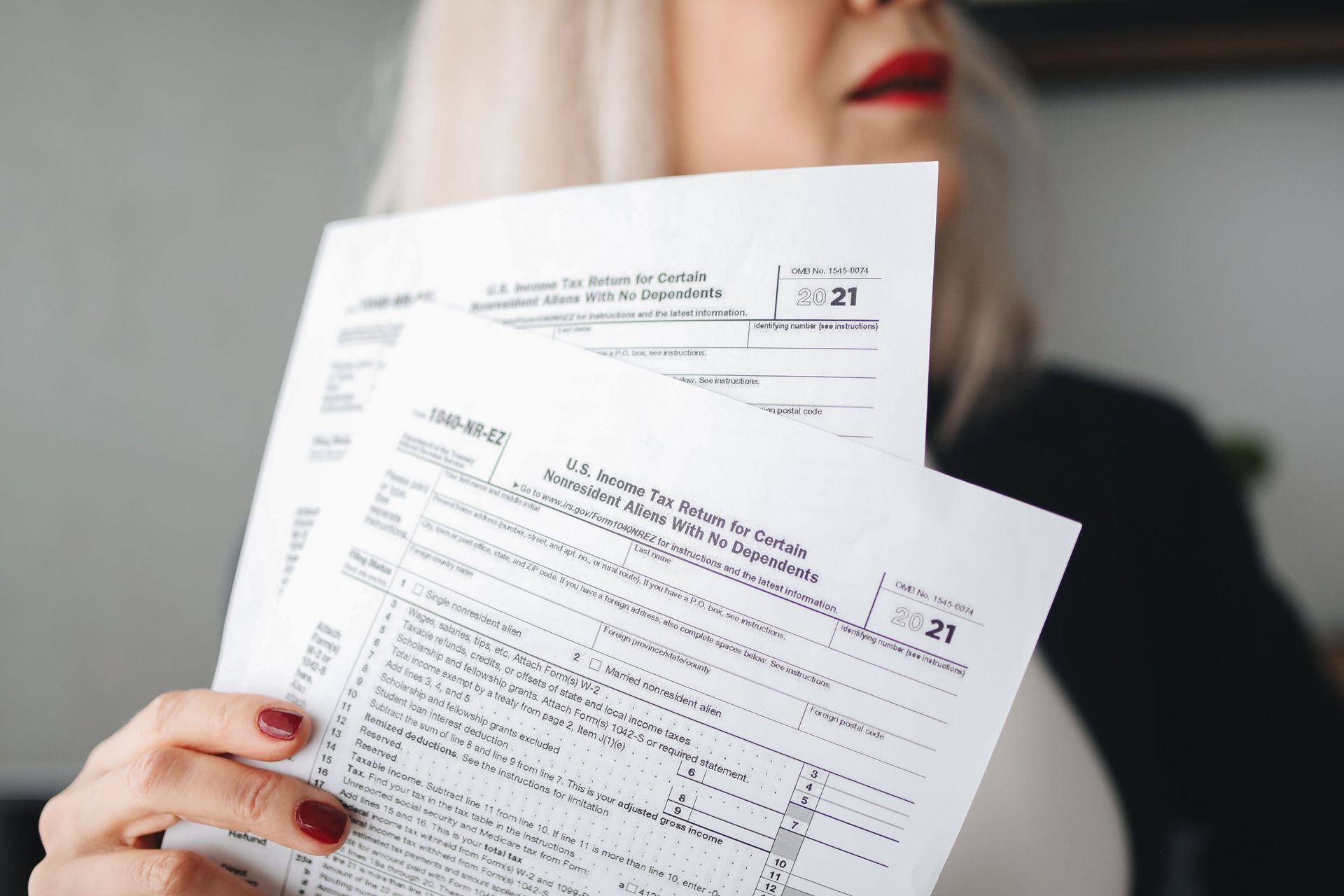
Navigating Taxes for Retirement Planning: A Guide to Understanding Tax Implications

Planning for retirement involves more than just saving money - it's crucial to understand how taxes will impact your nest egg. At Andrea Ward CPA, we know that retirement tax planning can feel overwhelming. But with some smart strategies, you can maximize your savings and minimize your tax burden during your golden years.
In this guide, we'll explore the tax implications of various retirement savings options and share tips for creating a tax-efficient retirement plan. Whether you're just starting to save or nearing retirement age, these insights will help you make informed decisions about your financial future.
The Basics of Retirement Savings Accounts
When it comes to saving for retirement, you have several options - each with its own tax advantages and considerations:
Traditional IRA and 401(k) Plans
These accounts allow you to contribute pre-tax dollars, reducing your taxable income now. Your money grows tax-deferred, but you'll pay ordinary income tax on withdrawals in retirement. This can be a great option if you expect to be in a lower tax bracket when you retire.
For example, let's say you're in the 24% tax bracket and contribute $6,000 to a traditional IRA. That could save you $1,440 in taxes this year! Just remember, Uncle Sam will want his cut eventually.
Roth IRA and Roth 401(k) Plans
With Roth accounts, you contribute after-tax dollars now, but your money grows tax-free and you can make tax-free withdrawals in retirement (as long as you follow the rules). This is ideal if you think you'll be in a higher tax bracket later on.
I had a client, Sarah, who started maxing out her Roth IRA in her 30s. Now in her 60s, she has a sizeable nest egg that she can tap into without worrying about taxes eating away at her retirement income.
Pension Plans
If you're lucky enough to have a pension, the tax treatment will depend on how your contributions were made. Generally, pension income is taxable in retirement.
Strategies for Tax-Efficient Retirement Planning
Now that we've covered the basics, let's dive into some strategies to optimize your retirement savings from a tax perspective:
1. Diversify Your Account Types
Don't put all your eggs in one basket! Having a mix of traditional and Roth accounts gives you flexibility in retirement. You can strategically withdraw from different accounts to manage your tax bracket each year.
2. Consider Roth Conversions
If you have a large traditional IRA balance, think about converting some to a Roth IRA in years when your income is lower. You'll pay taxes on the converted amount now, but it could save you big in the long run.
I worked with a couple who did small Roth conversions each year after they semi-retired. By the time they fully retired, they had significantly reduced their future required minimum distributions (RMDs) and potential tax burden.
3. Be Strategic with RMDs
Speaking of RMDs, once you hit 72 (or 73 if you were born after 1950), you're required to start taking distributions from traditional retirement accounts. Plan ahead to avoid a big tax hit!
One option is to start taking smaller distributions before you're required to, spreading out the tax impact. Or, if you're charitably inclined, consider qualified charitable distributions (QCDs) to satisfy your RMD without increasing your taxable income.
4. Leverage Health Savings Accounts (HSAs)
HSAs offer a triple tax advantage - contributions are tax-deductible, growth is tax-free, and withdrawals for qualified medical expenses are tax-free. Plus, after age 65, you can use HSA funds for any purpose without penalty (though you'll owe income tax on non-medical withdrawals).
5. Time Your Social Security Benefits
Up to 85% of your Social Security benefits may be taxable, depending on your overall income. Consider delaying benefits to increase your monthly payment and potentially reduce the taxable portion.
Special Considerations for Business Owners
If you're a small business owner, you have some unique retirement planning opportunities:
SEP IRAs and Solo 401(k)s
These plans allow you to contribute significantly more than traditional IRAs. For 2024, you can contribute up to $69,000 to a Solo 401(k) if you're 50 or older!
Exit Planning
As you approach retirement, think about how you'll transition out of your business. Will you sell? Pass it on to family? The structure of your exit can have major tax implications.
I recently helped a client, John, structure the sale of his landscaping business to minimize his tax liability. By spreading the payments over several years, we kept him in a lower tax bracket and saved him thousands.
Common Pitfalls to Avoid
Even with careful planning, it's easy to make mistakes. Here are a few to watch out for:
- Forgetting about state taxes - Some states are more tax-friendly for retirees than others.
- Overlooking the impact of required minimum distributions on your tax bracket.
- Not adjusting your strategy as tax laws change - stay informed!
- Failing to coordinate with your spouse on retirement account withdrawals.
Wrapping Up
Phew! We've covered a lot of ground here. Retirement tax planning isn't always straightforward, but it's so important for maximizing your hard-earned savings. Remember, everyone's situation is unique - what works for your neighbor might not be the best strategy for you.
At Andrea Ward CPA, we're passionate about helping our clients create personalized, tax-efficient retirement plans. We'd love to chat about your specific situation and goals. Give us a call or shoot us an email to set up a consultation.
Here's to a happy (and tax-smart) retirement!
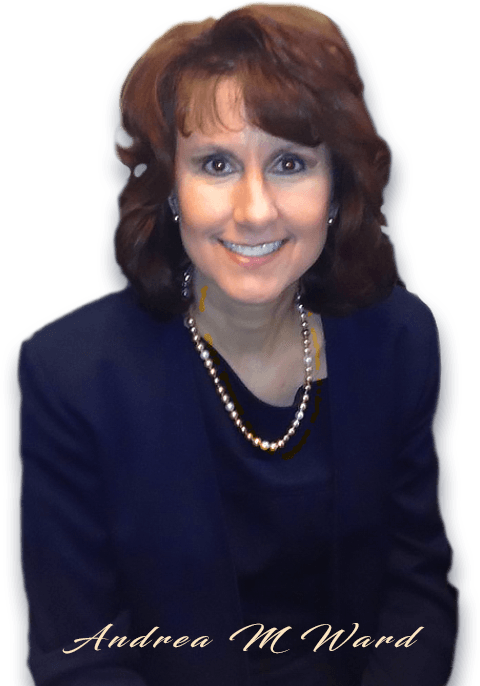
Andrea Ward, CPA
Andrea officially began her accounting career in 1987. But it all began much earlier than that as a kid when she meticulously budgeted her allowance to buy really cool toys. Since then, she has earned Cum Laude honors with a Bachelor in Business Administration, with equivalent minors in Finance and Economics from Texas A&M University. A CPA and Registered Investment Advisor, Andrea loves helping people accumulate wealth.
Popular Posts





Recent Posts